The magazine, Warp, that I have created is designed to be read by an audience of both genders within the age group of 15-21 years old. I have created my magazine to suit the relevant social groups in relation to the punk rock genre of music. My magazine features information about festivals, bands, gigs and new releases which I think would cater to the interests of the target audience.
Punk rock is a genre of music which originated from the UK, USA and Australia in the 1970s. Punk bands created fast, hard -edged music which often had political and anti-establishment lyrics. Bands such as the Ramones became known in America and more rebellious groups such as the Clash and the Sex pistols formed in the UK. Punk bands like these were often reguarded as the start of new musical movement and they tended to reject mainstream music. From this type of music, youth in the UK could associated with punk subcultures which expressed their rebellion and aggression through their clothing and anti-authoritarian ideologies. By the 80s and even today, punk rock music has evolved to more hardcore styles such as alternative punk, post-punk and even pop punk.
Having researched what punk rock music is I was then able to decided if my magazine would be able to cater to this genre of music and if the readers would be stereotypical punks, emos, indie kids, metal heads, scene kids or grungers.
The model that I have used throughout my media product represents the subcultures of social groups such as punks and perhaps grungers or metal heads. I do not think that she represents social groups such as indie kids or scene kids as the music used in my media product is not of this genre. The media product that I have created uses features which would intrigue social groups who like punk rock and are of both genders in the age group of mid teens to early twenties. The model that I have used is only 17 but she does not look like a child and therefore this could make the magazine more appealing as the reader will be aware that the magazine features artists of similar ages and not young 'pop' groups.
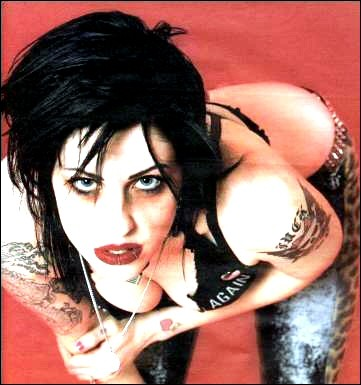


I have compared the magazines such as NME, Kerrang, Blunt and Big Cheese which I used for my research. It is obvious that particular aspects have been covered and I have included my model and the model, Brody Dalle, from Blunt magazine which was used in my previous research. Although my model does not have that obvious punk look with a mohican and tight leather clothing; she does have dark hair and make up. Their expressions are similar as well as their poses. The typical punk attitude is either 'stoner' or a 'I don't care' which I think I have portrayed through images of my model. My media product represents social groups of the mid teens to twenties who enjoy punk rock music and heavier music. I have done this through using my model who is dressed in dark clothing similar to Brody Dalle and uses expressions which show that she has attitude. The colours that I have used in my magazine tend to be dark colours such as black, red and white which also cater to punk and metal head social groups as they are often dressed in dark clothing and would not favour the colour pink.

No comments:
Post a Comment